The garden doesn't end at first frost — it transitions. But how you manage that transition determines whether your garden emerges from winter healthy and ready to grow, or damaged and playing catch-up all spring. Winter prep isn't about putting the garden to bed; it's about setting the stage for next year.
Here's the thing most gardening advice gets wrong: fall cleanup isn't about tidiness. It's about making strategic decisions — what to cut, what to leave, what to protect, what to plant — that serve the garden through winter and into the next growing season. Some plants need cutting back. Others should be left standing. Some need protection. Others are fine on their own. The "clean everything to the ground" approach is not just unnecessary — it's actively harmful to your garden's ecosystem.
Know Your First Frost Date
Everything in fall garden prep works backward from your first expected frost date. This is the date, based on historical averages, when your area is likely to see its first killing frost (32°F / 0°C). You can find yours through the National Weather Service or any gardening website by entering your zip code.
Once you know the date, work backwards:
- 10–12 weeks before: Plant fall crops (lettuce, spinach, radishes for late harvest)
- 8–10 weeks before: Start transplanting and dividing perennials
- 6–8 weeks before: Plant spring-blooming bulbs
- 4–6 weeks before: Plant trees and shrubs (roots need time to establish)
- 2 weeks before: Bring tender plants indoors
- At frost: Harvest remaining tender vegetables; begin cleanup
Don't trust the average frost date blindly. It's a 50/50 probability — half the time, frost comes earlier. Plan your most vulnerable tasks (bringing plants indoors, harvesting tender vegetables) for a week before the average date. You can always wait; you can't un-freeze a basil plant.
What to Cut Back
Some plants benefit from being cut to the ground in fall. These are plants that:
- Are disease-prone (cutting back removes infected foliage)
- Turn to mush after frost and look terrible all winter
- Self-seed aggressively and you don't want volunteers everywhere
Cut these back to 2–3 inches above ground after frost kills the tops:
- Peonies — Remove all foliage to prevent botrytis. Don't compost it; bag and dispose.
- Daylilies — Foliage collapses into a slimy mess after frost. Cut it back.
- Hostas — Same as daylilies. The foliage turns to mush.
- Bearded iris — Cut fans to 4–6 inches to remove iris borer eggs.
- Phlox — Prone to powdery mildew; remove all foliage.
- Tomatoes, peppers, squash — All vegetable plants should be removed and composted (unless diseased).
What to Leave Standing
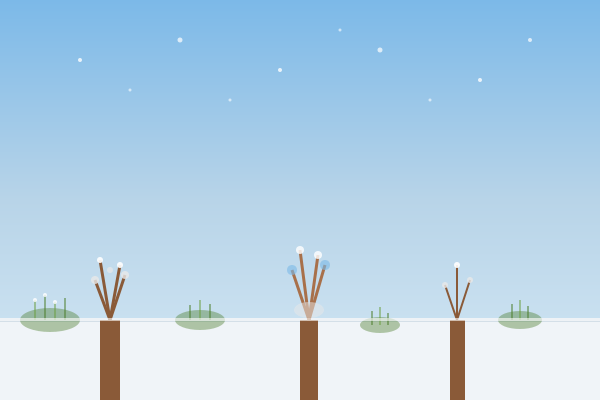
This is where modern garden advice has shifted dramatically. The old approach was to cut everything down in fall. The new approach — which is better for your plants, your soil, and your local ecosystem — is to leave many plants standing through winter.
Leave these plants standing:
- Coneflowers (Echinacea) — Goldfinches eat the seeds all winter. The seedheads also catch snow beautifully.
- Black-eyed Susans (Rudbeckia) — Same as coneflowers. Birds and winter interest.
- Ornamental grasses — They provide movement, structure, and habitat all winter. Cut them back in early spring instead.
- Sedum (Autumn Joy) — The dried flower heads look like rust-colored broccoli all winter and catch frost beautifully.
- Asters — Leave for late-season pollinators and seed-eating birds.
- Joe-Pye weed — Structural seedheads that hold up through winter.
The garden in winter is not dead — it's dormant. And the standing seedheads, dried stems, and leaf litter are the winter home and food source for birds, beneficial insects, and other wildlife. A garden cut to bare ground in November is an ecological desert.
What to Protect
Tender Plants
Some plants are borderline hardy in your zone and need winter protection. The goal isn't to keep them warm — it's to prevent the freeze-thaw cycles that heave plants out of the ground and kill roots:
- Roses (in cold zones): Mound 12 inches of compost or mulch around the base after the ground freezes. Don't prune — wait until spring.
- Tender shrubs (lavender, rosemary in cold zones): Wrap in burlap after the ground freezes to prevent winter burn.
- Strawberries: Mulch with 3 inches of straw after the ground freezes to prevent heaving.
- Newly planted trees and shrubs: Water deeply until the ground freezes. Their roots haven't established yet and they're vulnerable.
Container Plants
Container plants are more vulnerable to winter cold than in-ground plants because their roots aren't insulated by the earth. See our container gardening guide for overwintering strategies, but the basics are: move pots to a sheltered location, wrap them in insulation, and bring truly tender plants indoors.
Tender Plants to Bring Indoors
If you grow tender perennials as annuals or have houseplants that summered outdoors, bring them in before nighttime temperatures drop below 50°F:
- Check for pests first. Hose off the plant, check under leaves, and consider a neem oil spray.
- Acclimate gradually. Move to a porch or garage for a week before bringing into the house.
- Expect some leaf drop. The change in light and humidity will shock the plant. It'll recover.
- Keep in a bright, cool spot. Don't put them near heating vents.
What to Plant in Fall
Fall isn't just about putting the garden to bed — it's the best planting season for many things:
Spring-Blooming Bulbs
Tulips, daffodils, alliums, hyacinths, crocuses — all must be planted in fall. They need the winter chill to trigger spring blooming. Plant 6–8 weeks before the ground freezes, at a depth of 2–3 times the bulb's height.
Trees and Shrubs
Fall is the ideal time to plant trees and shrubs. The soil is still warm, so roots continue growing and establishing, while the air is cool, reducing transplant stress. By spring, the plant has a head start on root development. Plant 4–6 weeks before the ground freezes, and water deeply until freeze-up.
Garlic
Plant garlic cloves 4–6 weeks before the ground freezes, pointy end up, 2 inches deep and 6 inches apart. Mulch heavily. You'll harvest the following July. Garlic is one of the most rewarding fall plantings — plant it once and you'll never buy garlic again.
Soil Care: The Most Important Fall Task
If you do nothing else in fall, do this: add compost to your beds. Spread 1–2 inches of compost over the surface of your garden beds (don't dig it in — let the worms and winter freeze-thaw work it into the soil for you). This is the single best thing you can do for your soil, and healthy soil is the foundation of everything.
If you have empty vegetable beds, consider planting a cover crop — winter rye, clover, or vetch. These protect the soil from erosion, add organic matter, and some fix nitrogen. Turn them under in spring.
For more on building great soil, see our composting guide.
Tool Care
Don't forget your tools. Fall is the time to:
- Clean all tools — remove soil, sap, and rust
- Sharpen pruners, shears, and hoes
- Oil metal parts to prevent rust (any light oil works)
- Sand and oil wooden handles
- Drain and store hoses and irrigation lines before a hard freeze cracks them
- Clean and store empty pots and trays
The Fall Garden Cleanup Checklist
- Harvest all tender vegetables before frost
- Remove and compost annual vegetable plants (unless diseased)
- Cut back disease-prone perennials (peonies, phlox, hostas, daylilies)
- Leave standing: coneflowers, black-eyed Susans, ornamental grasses, sedum
- Rake and compost fallen leaves (or save them for compost browns — see our compost guide)
- Top-dress all beds with 1–2 inches of compost
- Plant spring-blooming bulbs, garlic, and new trees/shrubs
- Protect tender plants with mulch or burlap
- Bring tender container plants indoors
- Water everything deeply before the ground freezes
- Clean, sharpen, and store tools; drain and store hoses
- Make notes: what worked, what didn't, what to change next year
The Winter Rest
Once the garden is prepped, let it rest. Winter is when the soil does its work — freeze-thaw cycles break up compaction, organic matter decomposes, and the ecosystem resets. Don't walk on frozen beds (it compacts the soil). Don't try to work the soil when it's wet. Just let it be.
Use the winter months to plan. Browse seed catalogues. Sketch new beds. Read garden books. Dream about what you'll grow next year. The garden in your mind in January becomes the garden in your yard in May — and the planning is half the joy.
For seasonal guidance throughout the year, check our seasonal planting calendar. For plant hardiness and what will survive your winters, see our hardiness zone guide. And for choosing plants that come back stronger each year, explore our plant guide.

We write practical, encouraging gardening guides for home gardeners. Every article is rooted in real experience — and a deep belief that everyone deserves a joyful outdoor space.